Frequently Asked Questions
Gynecology – key questions answered clearly.
Which autoclave is suitable for a gynecological practice?
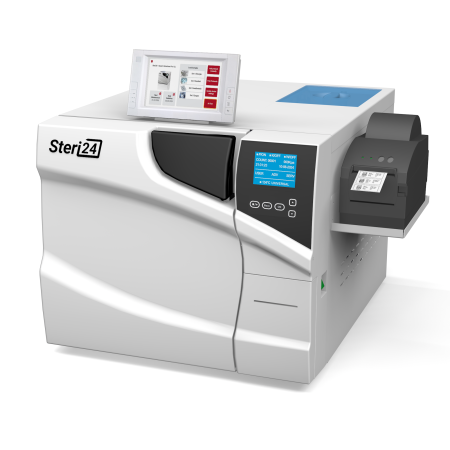
For gynecological practices we usually recommend a Class B autoclave with 12–18 L, or 23 L for higher volumes or larger instruments. Specula and instrument sets need a relatively large amount of space. The easiest way is to use our configurator so we can recommend exactly the right model.
Is the autoclave suitable for sterilizing pessaries?
Yes. Pessaries are classified as medical devices and are reliably sterilized in EN 13060-compliant Class B autoclaves. A small device is sufficient for a few items per day; for higher volumes a larger chamber is recommended.
What chamber size do I need for gynecological specula and sets?
Specula are comparatively large and accordingly need space on the trays. For most gynecological practices 12–18 L is a good fit; with many instrument sets per batch, 23 L makes sense. The configurator calculates the size based on your daily requirements.
What does Class B mean for an autoclave?
Class B is the highest sterilization class according to EN 13060. It allows the safe reprocessing of all instrument types – including wrapped items as well as hollow and porous goods – by fractionated pre-vacuum. For reprocessing critical instruments used on people, a Class B device is the standard.
Do I meet the RKI requirements with your devices?
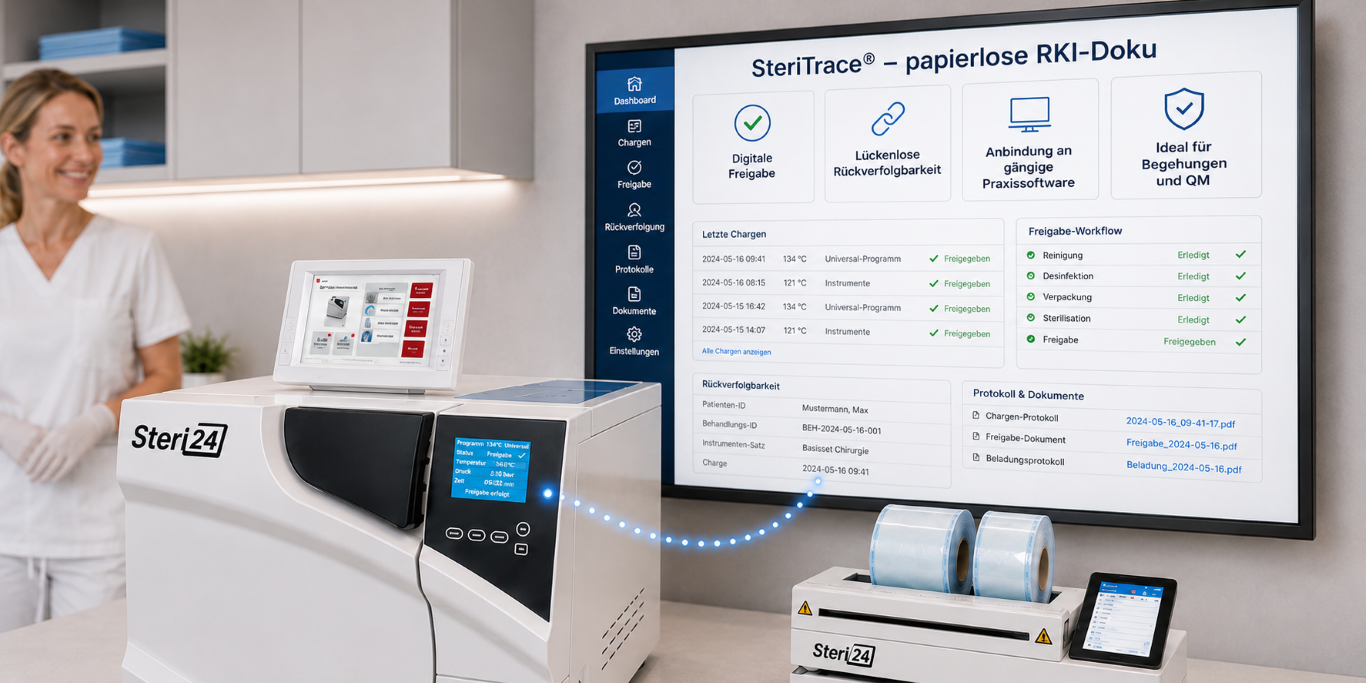
Yes. All our autoclaves are Class B according to EN 13060. In combination with SteriTrace® you document every batch in an audit-proof, paperless way; we carry out the initial validation and maintenance on site.
How are gynecological instruments classified according to KRINKO?
The decisive factor is the risk assessment of the individual instrument. Instruments that touch mucous membranes are generally classified as semicritical, while those that penetrate skin/mucous membranes or have blood contact are classified as critical. Critical instruments require sterilization, usually with moist heat in a Class B autoclave.
Do instruments have to be sterilized wrapped?
Instruments that are stored sterile or kept ready as a set are sterilized wrapped, so that sterility is maintained until use. Wrapping is done with a sealing device; unwrapped sterilization is only intended for immediate use.
Do I need a sealing device for wrapping?
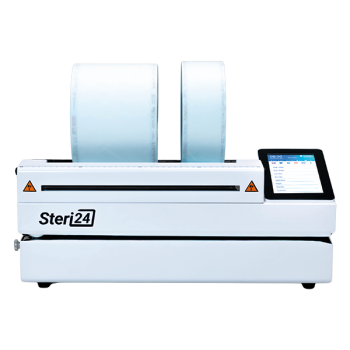
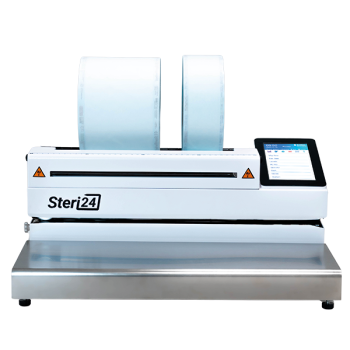
Yes, for wrapped instruments and sets you need a sealing device that seals clear-view sterilization pouches reliably and reproducibly. Our CertoSeal sealing devices are matched to this and are available as a complete solution together with the autoclave.
What is the difference between the Pro and Premium devices?
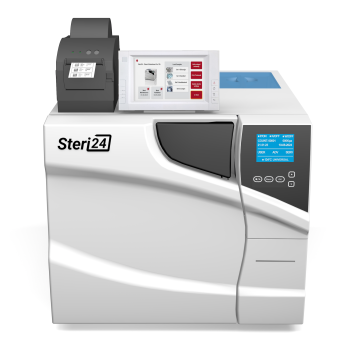
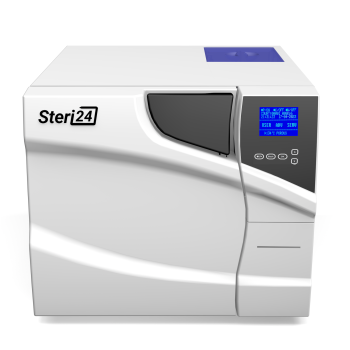
Both are Class B according to EN 13060 and RKI-compliant. Premium additionally offers digital batch release on the touchscreen, LAN/WLAN, connection to practice software, and the SteriTrace® assistant for paperless documentation. Pro is robust, easy to operate, and documents via USB and thermal printer.
What does SteriTrace® do in a gynecological practice?
SteriTrace® enables paperless, RKI-compliant batch documentation with digital release and gapless traceability. This way you are prepared for inspections and QM and save noticeable time in everyday practice.
Can the autoclave be connected to my practice software?
Yes, the Premium models offer LAN/WLAN and a connection to common practice software, so that batch data can be transferred automatically. This eliminates the manual updating of sterilization records.
How do I document the batches in an audit-proof way?
Every batch is recorded with date, program, and result. On the Pro devices via USB/SD and thermal printer, on Premium additionally paperless via SteriTrace® with digital release and connection to your practice PC. This way every batch is traceable.
Is validation mandatory?
In Germany, validation is mandatory for everyone who reprocesses medical instruments used on people – including gynecological practices that use critical instruments. The basis is, among others, the MPBetreibV. We carry out the initial validation on site.
What does validating an autoclave mean?
Validation is a formal test that proves your autoclave and the entire reprocessing process meet the applicable standards and sterilize reliably. It is carried out on site using your own instruments as the load.
How often does the autoclave have to be validated?
Revalidation takes place at regular intervals on site, usually every two years. The exact interval depends on the device and use; we coordinate the appointments with you within the scope of a maintenance and validation contract.
When does the initial validation have to take place after purchase?
The initial validation should take place shortly after installation and commissioning, before the device is used in routine operation for reprocessing critical instruments. We carry out the initial validation on site.
Who performs the validation?
The validation is performed by our service technicians on site. It cannot be carried out by the user, as special measuring equipment and standard-compliant documentation are required.
What is the difference between validation and maintenance?
Maintenance ensures the technically faultless condition of the device (wear parts, filters, functional testing). Validation provides standard-compliant proof that the entire sterilization process works reliably. The two complement each other and are usually combined in the same appointment.
Do you handle setup, installation, and validation on site?
Yes. On request we handle delivery, installation, and commissioning in accordance with the Medical Devices Act, as well as the initial validation on site – including training your staff.
At what interval does the autoclave have to be maintained?
Regular maintenance is required, usually on a one- or two-year cycle or after a certain number of cycles. With a maintenance contract we coordinate the appointments with you in a plannable way and carry out maintenance and revalidation combined.
Is maintenance also required with low usage?
Yes. Even with few cycles, regular maintenance is required, as wear parts age and standard-compliant operation as well as the validity of the process must be ensured.
Do you offer staff training at the device?
Yes, training on operation is part of the on-site commissioning. This way your team is familiar with loading, programs, and documentation from the start.
How quickly is delivery and installation carried out?
Devices are usually available at short notice. On request we handle delivery, installation, and commissioning in accordance with the Medical Devices Act, as well as the initial validation on site. We arrange specific dates individually.
What happens to my old autoclave?
We advise you on the switch, take back your old device, and dispose of it properly – also independently of the manufacturer. This way the change goes smoothly.
I don't know Steri24 – why should I switch?
Steri24 sells directly, without going through depots or intermediaries, and handles the service itself. This gives you a dense on-site service network like that of established expensive providers, but at fairer prices. Manufacturer since 1957.
What warranty and maintenance options are there?
The Pro devices come with a standard warranty, extendable with a maintenance contract; the Premium models offer extended warranty options in combination with a maintenance contract. We offer maintenance and validation at a fixed price including travel. We are happy to provide the details in the quote.
How is the service organized in the DACH region?
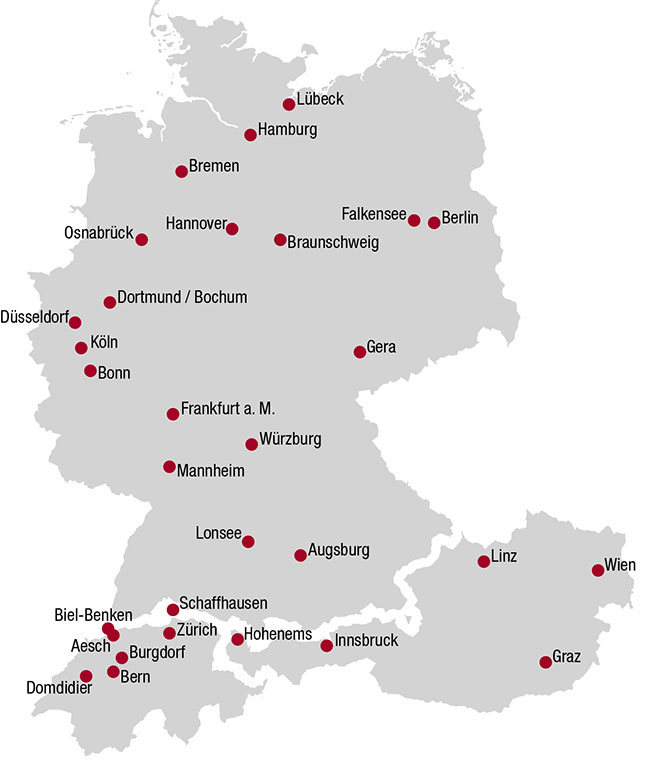
We serve Germany, Austria, and Switzerland with a dense network of locations and service partners and offer a 24h emergency service – even on weekends. This way we are on site when it matters.
Is there an emergency service if the device fails?
Yes, we offer a 24h emergency service in the DACH region. In the event of a malfunction you can reach us even outside regular hours, so that your reprocessing is up and running again as quickly as possible.
How quickly is a technician on site in the event of a malfunction?
Thanks to our dense service network in the DACH region and direct service without intermediaries, we can react quickly in the event of a malfunction. The specific response time depends on location and maintenance contract.
Can you also validate my existing device?
We can validate many third-party devices, provided that the prescribed maintenance has previously been carried out by the respective manufacturer or an authorized partner. Send us the model and manufacturer, then we will assess the individual case.
Do you also service devices from other manufacturers?
For the maintenance of third-party devices we often lack the appropriate spare parts, so we generally maintain and repair only our own devices. However, we can validate many third-party devices. Describe your case to us, then we will assess the options.
What water must be used for the autoclave?
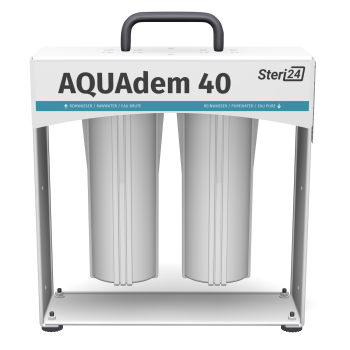
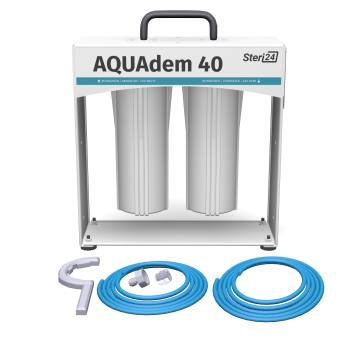
Class B autoclaves require demineralized or distilled water with low conductivity in order to avoid limescale deposits and corrosion. A suitable water treatment such as the AQUAdem automatically provides the right quality.
Does the autoclave need a fixed water connection?
Both lines have an integrated fresh and waste water tank and can be filled manually. Optionally, a fixed water connection with automatic filling via a water treatment is also possible.
How long does a sterilization cycle take?
The cycle time depends on program, load, and packaging. Standard Class B programs for wrapped instruments typically require more time than fast programs for unwrapped goods. We can give you exact run times for the specific model.
How do I load the autoclave correctly?
Instruments are distributed evenly on the trays, must not touch each other, and should not obstruct the steam flow. Pouches are placed paper-side up or on edge. Correct loading ensures reproducible sterilization results.
How do I have the sterilization records backed up?
Depending on the model, the records can be transferred via USB/SD stick, thermal printer, or, on the Premium devices, automatically to the practice PC or practice software. This way you keep all batches in an RKI-compliant manner.
What does a vacuum test error message mean?
A failed vacuum test usually indicates a leak, for example at the door seal or connections. Check the seating and cleanliness of the seal and repeat the test; if the error persists, our service can help.
The device reports poor water quality – what can I do?
The message appears when the conductivity of the water is too high. Use fresh demineralized/distilled water and empty the tank if necessary. A suitable water treatment permanently prevents the message.
Instruments are wet after sterilization – what should I do?
Residual moisture often arises from overloading, incorrect arrangement, or unsuitable packaging. Reduce the load, ensure spacing between the goods, and use the appropriate drying program. With recurring moisture, our service will check the device.
What does on-site commissioning include?
Commissioning includes setup, connection, functional testing, and training of your staff. It is documented in accordance with the Medical Devices Act and can be combined with the initial validation.
Is a washer-disinfector sufficient or do I also need an autoclave?
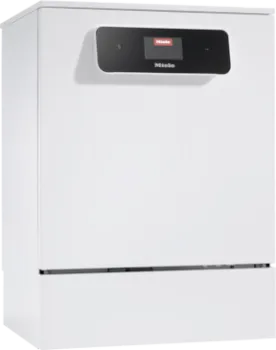
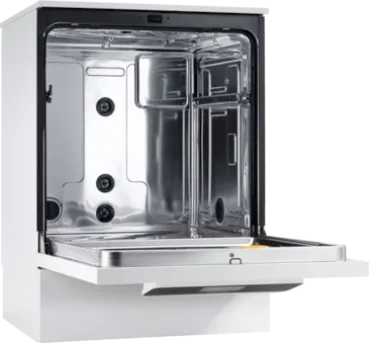
A washer-disinfector (WD) handles machine cleaning and disinfection and creates a reproducible preliminary stage. For the subsequent sterilization of critical instruments, a Class B autoclave is additionally required. Both complement each other to form the complete reprocessing chain.
What is the purpose of the washer-disinfector in gynecological reprocessing?
The washer-disinfector cleans and disinfects specula and instrument sets by machine, reproducibly and validatably. This is gentle on staff and material and creates the defined basis for the subsequent sterilization in the autoclave.
Do I also need water treatment?
A water treatment such as the AQUAdem automatically supplies demineralized water in the required quality and can fill the autoclave via a fixed water connection. This avoids manual refilling and protects the device from limescale.
Can I get the entire reprocessing from a single source?
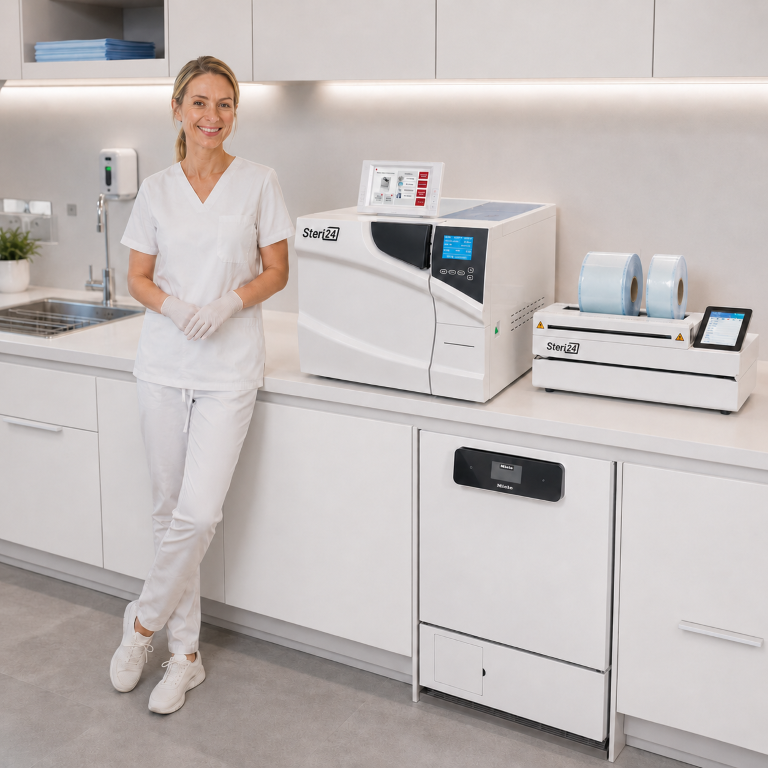
Yes. From the washer-disinfector through the Class B autoclave and the CertoSeal sealing device to the water treatment, you receive a perfectly matched complete solution – installed and serviced by one provider.
How do your devices support me during an inspection by the public health authority?
With Class B devices according to EN 13060, validation carried out on site, and audit-proof batch documentation – paperless via SteriTrace® – you are prepared for inspections and QM audits. On request we provide the necessary proof.
Do you also offer documentation of instrument reprocessing?
Yes. Batch documentation takes place directly at the device – on Pro via USB and thermal printer, on Premium paperless via SteriTrace® with digital release and connection to your practice software. This way the entire reprocessing process is traceable.
How do I find out which model is right for my practice?
The easiest way is via our configurator: in just a few minutes you receive a suitable recommendation for model, size, and accessories – matched to your instrument volume. Alternatively, we advise you personally.
What advantages do I have over established expensive providers?
You receive equivalent premium performance – Class B, RKI-compliant documentation, on-site service – at a fairer price, because we sell directly and handle the service ourselves without intermediaries. Comparative statements refer generally to higher-priced providers, without naming specific brands.
How does the switch from my current device work?
We advise you on the right successor, take back your old device and dispose of it properly, install it and provide training, and carry out the initial validation on site. This way you lose no performance and gain on service and price.
Can you prepare a no-obligation quote for my practice?
Gladly. Fill out the configurator or contact us – you will receive a quote tailored to your needs, including accessories, installation, validation, and maintenance options.