Frequently Asked Questions
Class B Autoclave Pro – key questions answered clearly.
What does „Class B“ mean for an autoclave?
Class B is the highest sterilization class under EN 13060. With a fractionated pre-vacuum, even hollow, porous and wrapped instruments are reliably sterilized – the standard for medicine, surgery and demanding applications.
What is the difference between Class A, B and N autoclaves?
Class B offers full sterilization with a vacuum process for wrapped and unwrapped, hollow and porous instruments. Class N may only sterilize unwrapped, solid instruments and is not permitted in human medicine. For medical practices you need a Class B device.
How does an autoclave work, or what is sterilization?
Sterilization means killing all microorganisms including their spores. A Class B autoclave works with saturated steam under pressure (typically 121–134 °C), reliably killing the germs. This dependably reprocesses critical instruments.
What is the difference between Pro and Premium?
Both sterilize fully in Class B to EN 13060. The Pro series documents via USB and thermal printer and is especially strong on price. Premium adds paperless batch release on the touchscreen, LAN/WLAN and connection to your practice software (SteriTrace®).
Which autoclave size do I need?
As a guide: 3 L for beauty, podiatry and mobile use, 12–18 L for the typical practice, 23 L for larger practices or multiple practitioners, and 45 L for clinics. Our configurator recommends the right size in around 2 minutes.
Which autoclave sizes does Steri24 offer?
We offer Class B autoclaves in the Pro series in 3 L, 12 L, 18 L, 23 L and 45 L. You will find current prices and availability in the online shop, and you can get a recommendation via the configurator.
What is the difference between the 3 L and the 12 L autoclave?
The 12 L offers four times the volume and an integrated waste water tank, so no external canister is needed; the quick programme takes a little longer. Technically the devices are otherwise identical – the 3 L is more compact and faster.
What is the smallest or a portable autoclave?
The smallest Class B autoclave is the 3 L Pro – a very compact device with internal water tanks. We do not offer a true mobile autoclave, but the 3 L is easy to transport thanks to its compact design.
Can the autoclave sterilize hollow bodies and flexible instruments (handpieces, turbines)?
Yes, thanks to the fractionated pre-vacuum our Class B autoclaves are suitable for hollow bodies such as handpieces, turbines and tips as well as for critical A/B instruments. Excluded are only instruments that the manufacturer expressly marks as not autoclavable.
Which materials is the autoclave suitable for?
Suitable are stainless-steel instruments as well as heat-resistant plastics that the manufacturer states are autoclavable and can withstand at least 121 °C. On larger models the temperature can be reduced so that more sensitive materials can also be sterilized gently.
Do instruments have to be wrapped or can I sterilize them unwrapped?
You can autoclave wrapped, unwrapped or in a mixed load. Critical instruments that come into contact with blood or penetrate skin/mucous membranes must be wrapped; non-critical and semi-critical instruments may be sterilized unwrapped.
What programmes does the autoclave have and is there a short programme?
The autoclaves offer several sterilization programmes (including Universal/Solid, Hollow, Porous/Textile, Prion) as well as a short/quick programme and a vacuum test. The exact programme list is given in the operating manual of the respective model.
Which programme do I choose for wrapped instruments?
For wrapped instruments and hollow bodies choose the Hollow programme (e.g. Universal 134 °C). Solid is for unwrapped instruments without cavities, Porous for textiles. A pure solid programme is not suitable for wrapped hollow bodies.
How long does a sterilization cycle take?
The duration depends on the model, programme and load. Guide values at full load with wrapped instruments: 3 L approx. 11–22 minutes, 12 L approx. 30–35 minutes, 23 L approx. 45–50 minutes, 45 L approx. 90 minutes. The smaller the device, the shorter the run.
At what temperature and pressure is sterilization carried out?
Steam sterilization is typically carried out at 121 °C or 134 °C under the corresponding overpressure. For most instruments the 134 °C programme is the standard process; sensitive materials are sterilized at a lower temperature.
Which water must be used for the autoclave?
Use distilled or demineralised/fully desalinated water with the lowest possible conductivity. Commercially available distilled water is suitable. Tap water as well as technical battery or iron water are not suitable and can damage the device.
Does the autoclave need a fixed water connection?
No, a fixed water connection is not necessary. All of our autoclaves are stand-alone devices with an integrated fresh and waste water tank and can be filled manually. A fixed water connection is optionally available and can also be retrofitted later.
Is a normal socket sufficient or is three-phase power required?
A normal household socket is sufficient; three-phase power is not required. Apart from the power connection, the model without a fixed water connection needs no further connection.
Does the autoclave have to be in a separate room?
A separate room is not strictly necessary; the autoclave can also stand in the treatment room. If reprocessing is done there, it may only take place when no patients are in the room. A window and water connection are not required.
Does the autoclave indicate whether sterilization was successful?
Yes. On success, „Programme finished“ or „Cycle finished“ appears (as text in line with EN 13060), often with a beep, and the door unlocks. In the event of a fault, an error code appears instead.
Does the autoclave create the sterilization records itself?
Yes, the Class B autoclaves log every cycle automatically. In the Pro series you back up the records via USB and thermal printer; the Premium series documents paperlessly and audit-proof via SteriTrace®.
How do I save the sterilization records on a USB stick?
The records can be saved to a USB stick; the USB port is located on the door or at the bottom right of the device. Use an as-empty-as-possible, FAT-formatted stick. The records are stored as text files.
How do I load the autoclave correctly?
Ensure sufficient air and steam penetration: do not place instruments too close together, ideally wrap them individually so that they do not touch. Distribute the load evenly and avoid overloading the chamber.
What is the maximum length of the instruments to be sterilized?
The maximum length depends on the chamber: in the 12 L it is around 31 cm, in the 23 L with its deeper chamber about 32 cm, with very long instruments possibly placed at an angle. For long instruments we therefore recommend the 23 L or larger.
Do I have to clean instruments before sterilizing?
Yes, instruments must be thoroughly cleaned and disinfected before sterilization – for example in an ultrasonic cleaner or thermal disinfector. Adhering residues can impair sterilization. Only then do wrapping and autoclaving follow.
Is a thermal disinfector enough or is an autoclave also needed?
A thermal disinfector / washer-disinfector cleans and disinfects semi-critical instruments but does not replace the sterilization of critical instruments. For instruments that enter sterile body areas, sterilization in a Class B autoclave is mandatory.
When must the batch number be written on the sterilization pouches?
Always after sterilization. At least the batch number must be documented on the wrapped instruments, ideally with a suitable sterilization pen. Tracing labels are likewise only applied after sterilization.
Is validation mandatory?
In Germany, validation is mandatory for everyone who reprocesses medical instruments used on people (e.g. podiatry, beauty, tattoo, doctors, clinics); the basis is, among others, the MPBetreibV. Those who do not reprocess critical instruments that come into contact with blood are usually not obliged.
Do I have to have the autoclave validated?
For legally compliant operation an initial validation is usual; routine checks then follow at regular intervals. We carry out validation and maintenance at a fixed price on site – whether it is mandatory in your case depends on the area of use.
How does the validation process work?
During validation, the autoclave and the reprocessing process are assessed on site: using sensors, a vacuum test, an empty-chamber profile and several sterilization runs with your instruments as the load are carried out, among other things. You then receive a validation report.
How often does the autoclave have to be validated?
Validation is generally due every 2 years (24 months); if a Class B autoclave operates smoothly, this interval can be fully used. Larger devices or a high number of cycles may require earlier revalidation.
Is the device usable before the initial validation?
Yes. The initial validation is a process validation and can also be carried out after commissioning – the autoclave is ready for use immediately after delivery. It can be commissioned at a later point at any time.
Does the autoclave have to be validated in the veterinary field?
In the purely veterinary field, validation is not legally required, as the obligation only applies to the reprocessing of instruments used on people. Voluntary validation is of course possible.
At what interval must the autoclave be maintained?
Maintenance is required every 24 months, but earlier as soon as 1,000 sterilization cycles are reached – whichever occurs first. This applies in Germany, Austria and Switzerland regardless of actual use.
Who takes care of the autoclave's maintenance and repair?
Maintenance and repair are carried out by our own trained service technicians or authorised service partners – either on site at your premises or at the factory. The service network covers Germany, Austria and Switzerland.
What is a service contract and what does it include?
A service contract secures the required maintenance and extends the warranty to up to 3 years. We remind you in good time, arrange the appointment and take care of execution, spare parts and the report; the contract itself is free.
Do you offer service even after the warranty period has expired?
Yes, we repair and maintain your device even after the warranty has expired – even without a service contract. The usual service and spare-parts costs then apply.
How do I change the bacterial filter?
Unscrew the old filter and fit the new one – you may and should do this yourself, roughly every 150 cycles. On Premium models with a touchscreen you confirm the change on the display for seamless documentation.
My autoclave reports „poor water quality“ – what should I do?
Use suitable distilled or demineralised water with low conductivity and replace the water with fresh water. If a water treatment system is connected, replace the cartridges or the bacterial filter at the prescribed interval.
The sterile goods are still damp after the programme – what can I do?
Ensure a not-too-dense, even load and sufficient drying time. Overloading the chamber is the most common cause. If the problem persists, our service team is happy to help, quoting the sterilization record.
What does an error code on the autoclave mean?
An error code signals that a cycle was not completed normally, often due to the water level or load. Send us a photo of the error or sterilization record, or fill in the service form, and a technician will get back to you with a solution.
Can I install the autoclave myself?
Yes, you can set up and commission the autoclave yourself – all you need is a socket and distilled water. There are instructions and videos as well as a free instruction session by video chat. On-site setup by a technician can optionally be booked.
How quickly is delivery and installation?
Devices are usually available at short notice. On request we handle delivery, installation and commissioning in line with the Medical Devices Act as well as the initial validation on site. We arrange specific dates individually with you.
Can I pay in installments or lease?
Yes. Installment payment is possible via Klarna or PayPal, and for commercial customers we also offer leasing. This lets you conveniently spread the purchase over the period of use.
I don't know Steri24 – why should I buy here?
Steri24 is a brand of CertoClav Sterilizer GmbH from Austria, founded back in 1957. We sell direct – without the detour via depots or middlemen – and provide the service ourselves. This gives you a dense on-site service network like that of established expensive suppliers, but at fairer prices.
How does Steri24 differ from established expensive suppliers?
You get the same full Class B performance to EN 13060 and a dense on-site service network throughout DACH – but at a fairer price, because we sell direct and provide the service ourselves. Premium additionally offers digital documentation and connectivity.
I want to replace my older device – how does the changeover work?
Many practices switch to us when their ageing autoclave fails. You get the same Class B performance at a fairer price, fast on-site service, installation, instruction and initial validation, plus, on request, take-back and proper disposal of the old device.
Do you also handle the disposal of the old device?
Yes, on request we take care of dismantling and proper disposal of your old device as part of installing the new autoclave. We tell you the cost depending on the effort involved.
What do I need to order for operation via a fixed water connection?
Order the „with fixed water connection“ option plus a water treatment system such as the AQUAdem 40. All autoclaves can still be filled manually as well.
Are the autoclaves CE-certified?
Yes, our Class B autoclaves are CE-certified (via TÜV SÜD) and meet the requirements of EN 13060. This makes them approved for professional instrument reprocessing in human medicine.
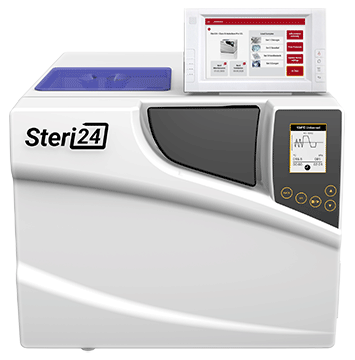
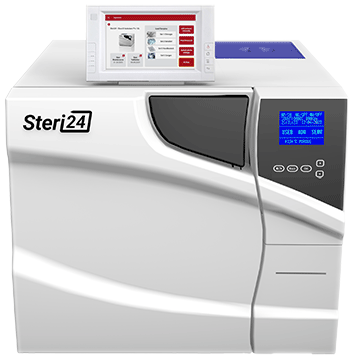
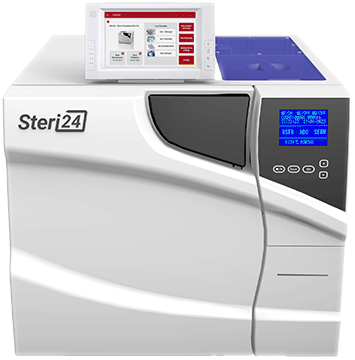
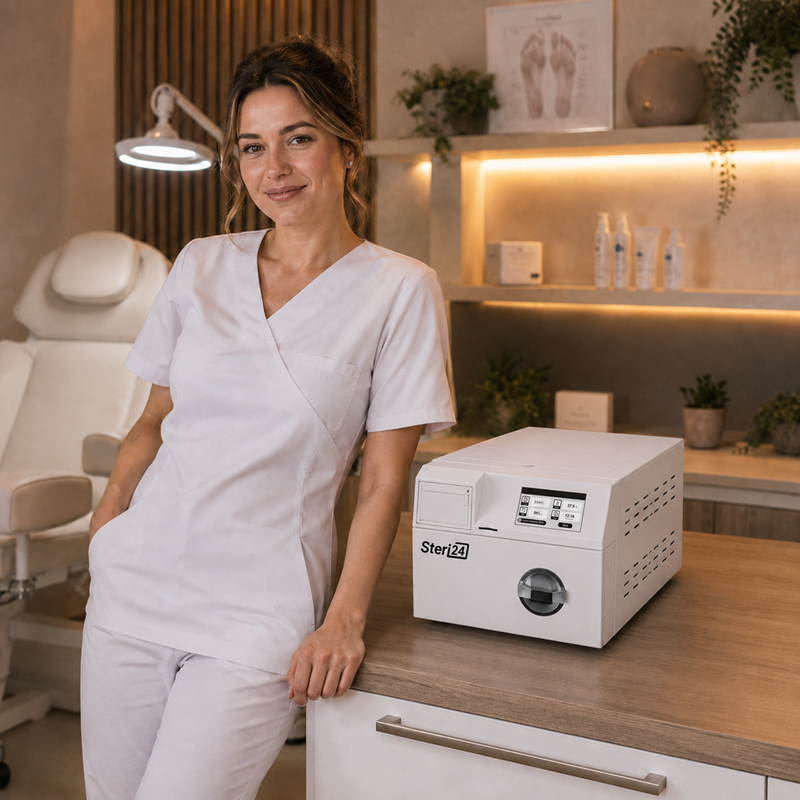
 3 L
Popular with beauty, tattoo & podiatry
3 L
Popular with beauty, tattoo & podiatry
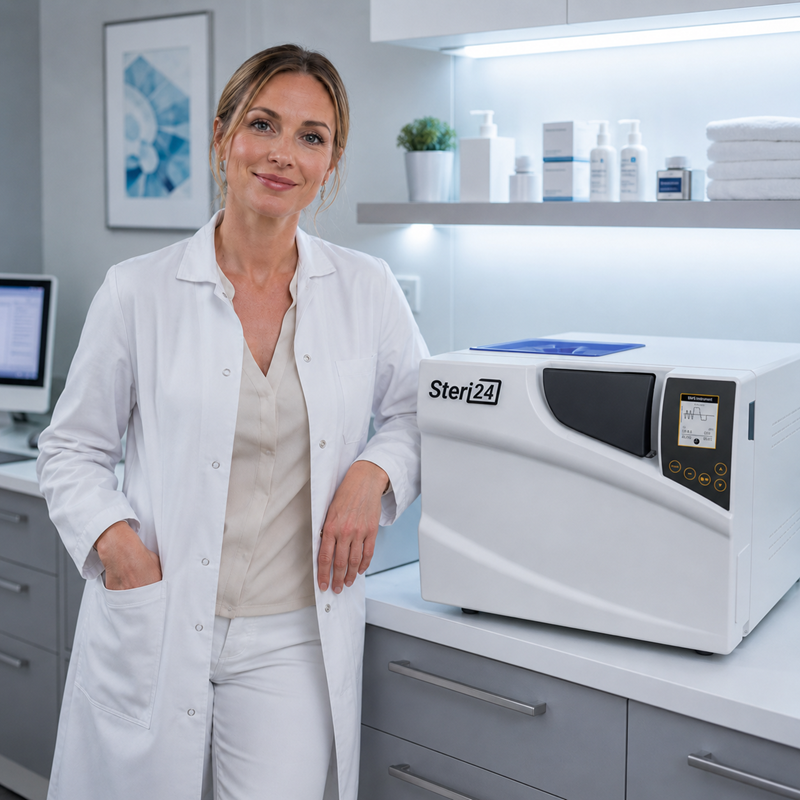
 12 L
Popular with small practices
12 L
Popular with small practices
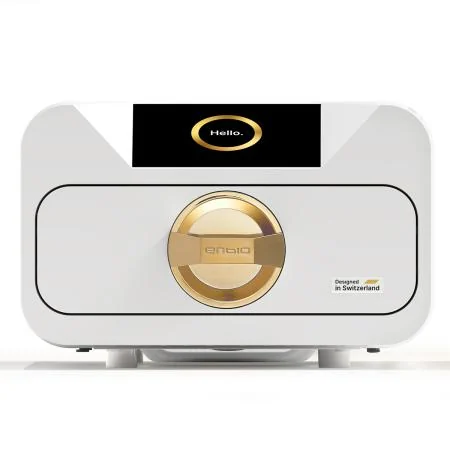 Enbio BeautyPopular with beauty & cosmetics
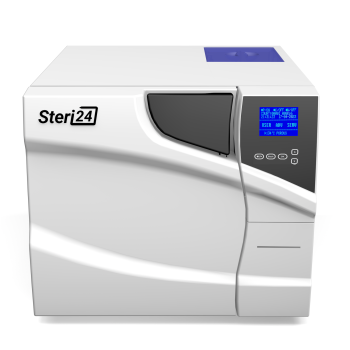 18 L
Popular with practices
18 L
Popular with practices
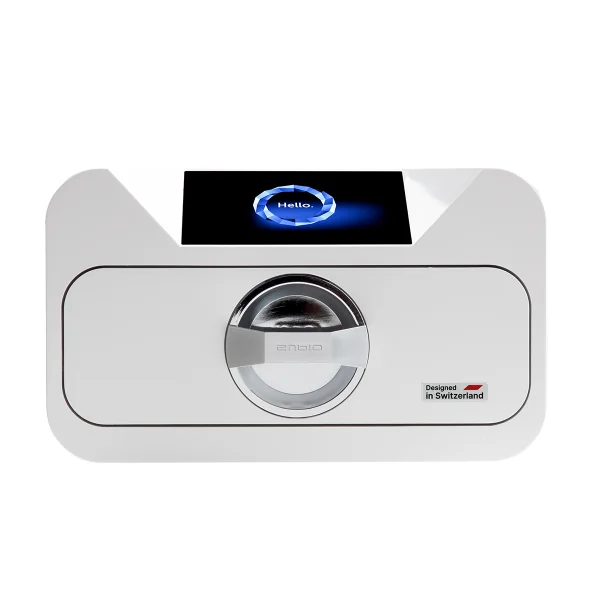 Enbio SPopular with tattoo & piercing
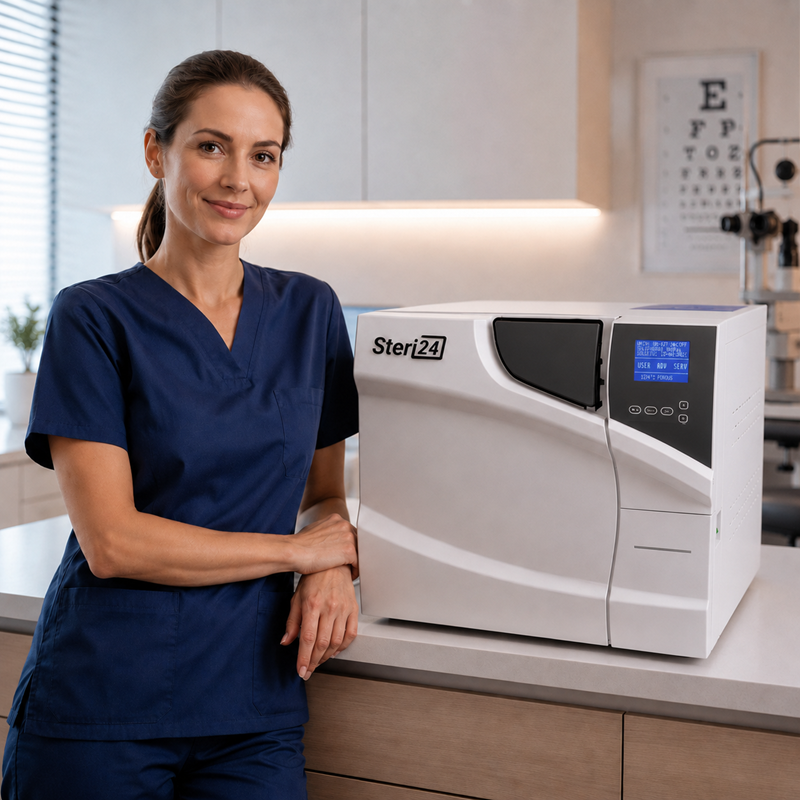
 23 L
Popular with larger practices
23 L
Popular with larger practices
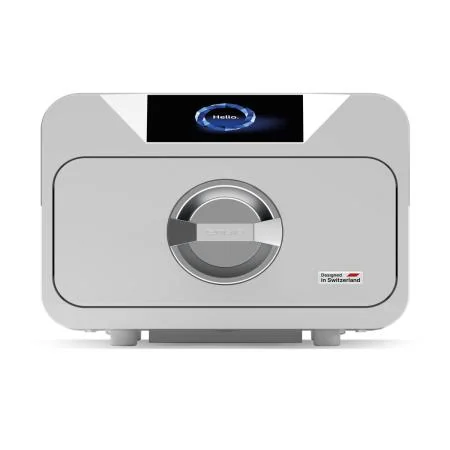 Enbio ProPopular with busier practices
 45 L
Popular with clinics
45 L
Popular with clinics
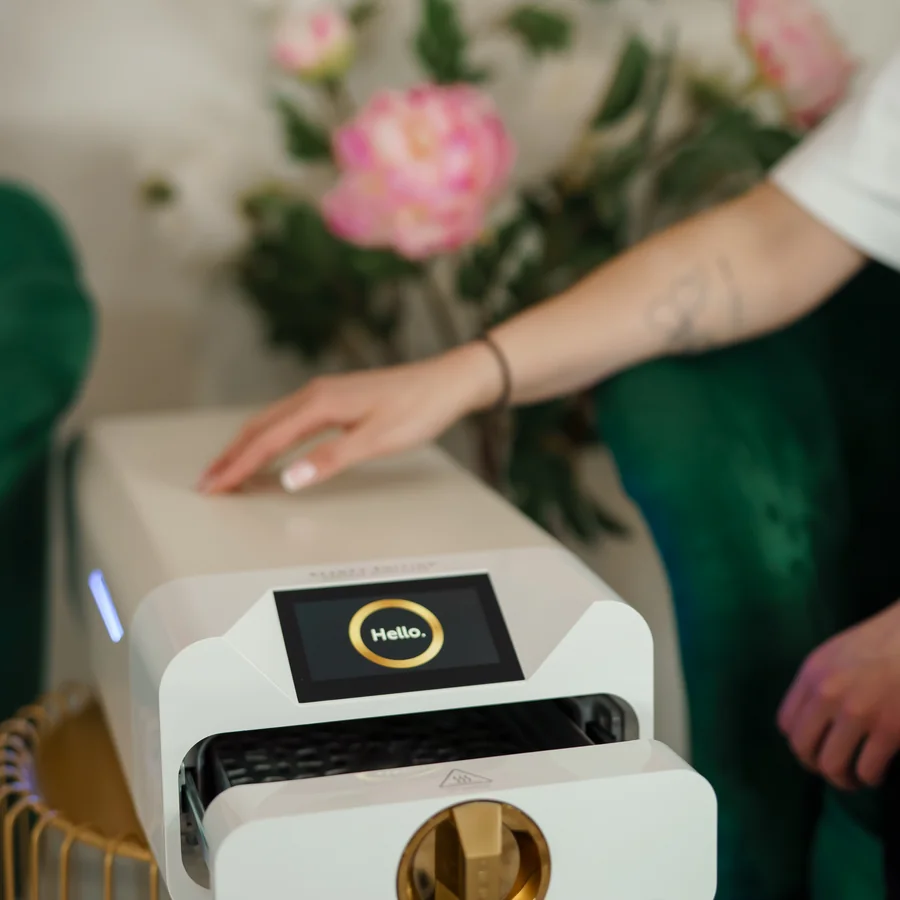
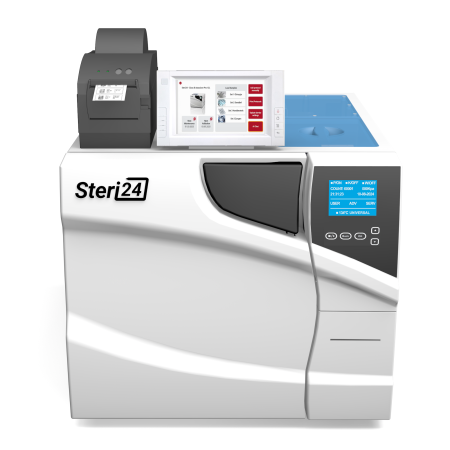 Premium
 Batch release directly on the device